EN

EN
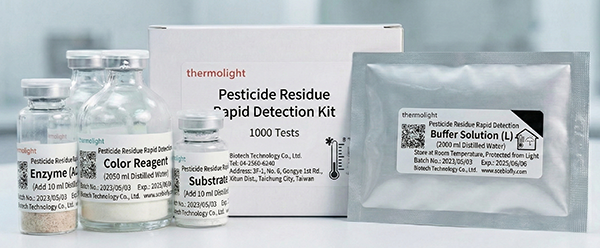
We understand that food safety is non-negotiable. This kit is specifically designed for rapid screening of agricultural products. Through a highly sensitive bio-enzyme reaction, it can effectively detect the presence of high-risk organophosphate and carbamate pesticide residues in fruits and vegetables in a short time. It establishes an efficient food safety protection network without the need for expensive, large-scale equipment.
The first line of defense in food safety:
rapid, sensitive, and accurate screening for highly toxic nerve agents.
1. Product Overview
We understand that food safety is non-negotiable. This kit employs internationally recognized biochemical methods and is specifically designed for the rapid screening of agricultural products. Utilizing highly sensitive bio-enzyme reactions, it can effectively detect the presence of high-risk organophosphate and carbamate pesticide residues in fruits and vegetables within a short time. It establishes a highly efficient food safety protection network without requiring expensive, large-scale equipment.
2. Key Features
3. How it Works
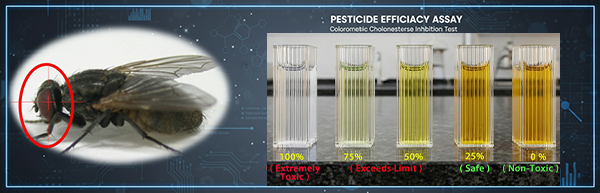
This reagent exploits the properties of acetylcholinesterase (AChE), a neurotransmitter enzyme present in living organisms.
When fruit and vegetable extracts contain organophosphates or carbamates, these pesticides inhibit acetylcholinesterase (AChE) activity, preventing the enzyme from reacting with the colorimetric reagent.
4. Applications
This product is ideal for organizations conducting self-screening:
5.Q&A
Q1:How accurate is this reagent kit? How does it differ from laboratory testing?
A: This reagent employs the internationally recognized "biochemical method" known as the "enzyme inhibition rate method", which is characterized by high sensitivity, rapid results, and low cost.
Q2:Can all pesticides be detected?
A:This kit is designed for the highest-risk categories, primarily targeting the two most toxic neurotoxic pesticides to humans: **organophosphates and carbamates**. These pesticides inhibit enzymes involved in neurotransmission, enabling rapid screening with this reagent.
Fungicides, herbicides, and other insecticides with different mechanisms of action are not included in this detection range because they do not inhibit enzyme activity.
►Helpful Reminder: If you require testing for fungicides, herbicides, or other specific pesticide categories, our company offers a variety of professional testing products. Please refer to the "Other Product Series" on our website or contact us directly. We will recommend the most suitable testing solution for you.
Q3:What should I do if the test result is "positive" (unacceptable)?
A: If the test results indicate that enzyme activity is inhibited (no color change or only a slight color change), the following steps are recommended:
Q4:Do reagents need to be frozen? What is their shelf life?
A: Yes, because the core component of the reagent is an enzyme, it is quite sensitive to temperature.
Q5:Does handling this reagent require professional expertise?
A: You do not need a degree in chemistry or laboratory testing; however, to ensure the accuracy and reliability of your test data, we recommend completing approximately one day of basic training. During this brief training, you will learn how to use micropipettes, apply standard extraction techniques, and understand the criteria for interpreting results. After completing this standardized course, even individuals without an undergraduate degree can attain the same level of operational proficiency as professional laboratory technicians and independently conduct accurate screenings.

